The moment someone shows real interest in your work should feel encouraging. Yet for many artists, it creates panic.
A curator asks, “Can you tell me about your practice?”
A collector asks, “What is this series about?”
A mentor asks, “Where do you see the work going next?”
Suddenly, the words disappear.
This does not mean you are not ready. It means you need a way to speak about your work that feels clear, honest, and natural.
An artist pitch is not a sales performance. It is a bridge between your inner world and the people encountering your work from the outside.
A Pitch Is a Bridge, Not a Performance
Many artists resist pitching because the word sounds commercial. It can feel like turning the artwork into a product or reducing a complex practice into a few neat sentences.
But a good pitch does not flatten the work. It opens a door.
Short pitch
Use when someone asks quickly what you do.
One-minute pitch
Use in openings, studio visits, and informal conversations.
Longer pitch
Use for interviews, residencies, mentorship sessions, and formal presentations.
It helps a curator understand your direction. It helps a collector connect to the meaning and material of a piece. It helps a residency panel see your potential. It helps a mentor understand where guidance is needed.
The goal is not to impress everyone. The goal is to communicate enough for the right people to keep listening.
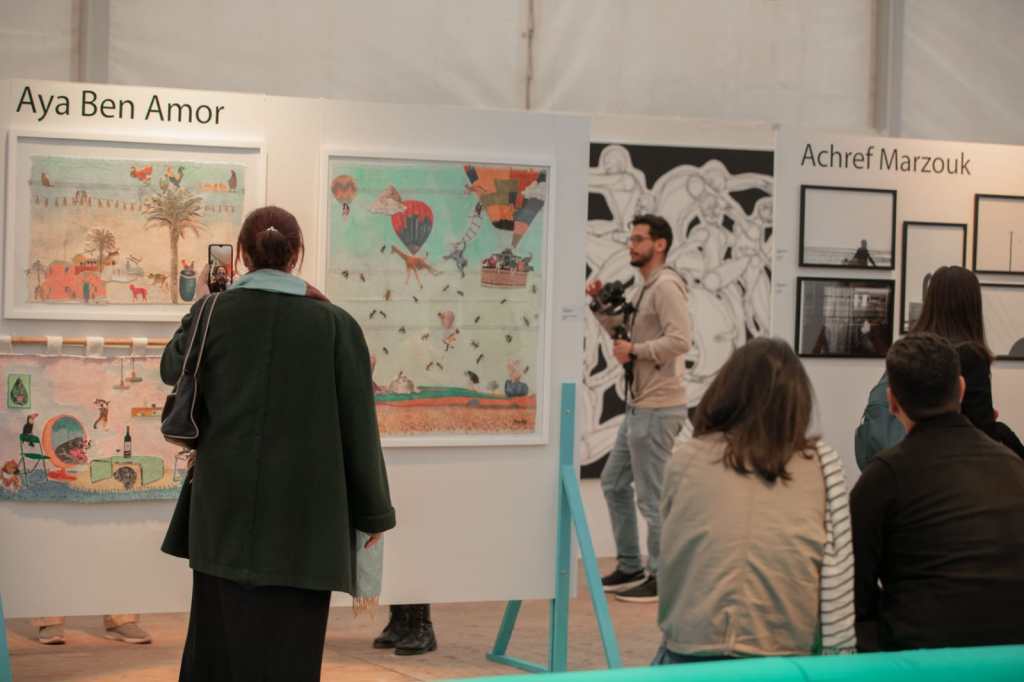
In exhibition contexts such as the SprintArt Show, a clear pitch can help artists turn visibility into meaningful dialogue with curators, collectors, and audiences.
Start With Your Core Message
Before preparing different versions of your pitch, identify the center.
What do you make?
What questions or themes guide your work?
What materials or processes matter?
Why does this practice matter to you now?
Your core message should be simple enough to remember and flexible enough to adapt. It does not need to explain everything. It should give the listener a clear first understanding of your practice.
For example, instead of saying, “My work is about identity,” you might say more specifically: “My work explores how personal memory and inherited cultural forms shape the way we understand belonging.”
That sentence gives more direction. It names a concern, suggests emotional depth, and opens room for follow-up.
Avoid language that sounds borrowed. If a word does not feel like yours, do not use it. Confidence grows when your pitch sounds like your actual voice.
Prepare Different Versions for Different Moments
You need more than one pitch.
A one-sentence version is useful when someone asks briefly what you do. It should be direct and memorable.
A one-minute version is useful at openings, networking moments, studio visits, or casual conversations with curators and collectors. It should introduce your practice, mention key themes or materials, and invite questions.
A longer version is useful for interviews, residency presentations, mentorship sessions, or formal pitches. This version can include context, process, recent work, and future direction.
Preparing different lengths prevents two common problems: saying too little because you are nervous, or saying too much because you are trying to explain everything at once.
A strong pitch respects the listener’s time while still honoring the complexity of the work.
Use Specific Examples From the Work
Abstract language becomes clearer when it is connected to a specific piece.
Instead of explaining your entire practice in general terms, point to one artwork, series, material choice, or process detail. Tell the listener what they are seeing and why it matters.
You might describe why you used a certain surface, why a repeated symbol appears, how a series began, or what changed as the work developed.
Specific examples make the pitch more grounded. They also help the listener look more carefully.
This is especially important in exhibitions. People often want permission to enter the work. A clear example gives them a place to begin.
Answer Questions Without Losing Your Ground
Questions are not attacks. They are often signs of interest.
Prepare for the questions you are likely to hear:
What is this work about?
How long have you been working on this series?
Why did you choose this material?
Is the work available?
What are you working on next?
How does this piece connect to your wider practice?
If you do not know an answer immediately, pause. It is acceptable to think. A thoughtful answer is stronger than a rushed one.
You can also clarify: “Do you mean the material process or the idea behind the series?” This shows confidence and helps you respond more precisely.
The more you practice answering questions, the less intimidating they become.
Adapt Your Language to the Listener
Different audiences need different kinds of context.
A curator may be interested in the conceptual direction, exhibition potential, and relationship between works.
A collector may want to understand the story, material, scale, availability, and long-term significance of a piece.
A mentor may focus on development, clarity, and next steps.
A general audience may simply need a welcoming entry point.
Adapting your language does not mean changing your truth. It means choosing the doorway that makes sense for the person in front of you.
Avoid hiding behind complicated art language. If your work is layered, speak clearly about those layers. Clarity is not simplification. It is generosity.
Practice Until It Sounds Like You
The best artist pitches sound prepared but not memorized.
Write your pitch. Speak it out loud. Record yourself. Notice where the language feels stiff, vague, or too long. Revise until it feels natural.
Practice with other artists, mentors, or trusted friends. Ask them what they understood. Ask where they wanted more detail. Ask what sentence stayed with them.
SprintArt’s Artist Incubator includes pitch training to help artists present their work effectively to collectors and curators.
Then practice in real situations: openings, studio visits, application interviews, portfolio reviews, and informal conversations.
Confidence does not come from pretending to be someone else. It comes from hearing yourself speak clearly about the work enough times that the language begins to feel lived in.
Confidence Comes From Clarity
Pitching is not about becoming louder, more polished, or more commercial. It is about helping people meet the work with more understanding.
For artists building visibility through exhibitions, mentorship, residencies, and cultural exchange, the ability to speak about your practice is part of professional growth. It allows others to see not only the artwork, but the thinking, memory, and ambition behind it.
A strong pitch should feel like an extension of the practice itself: clear, honest, and rooted.
You do not need to explain everything. You need to open the right conversation.